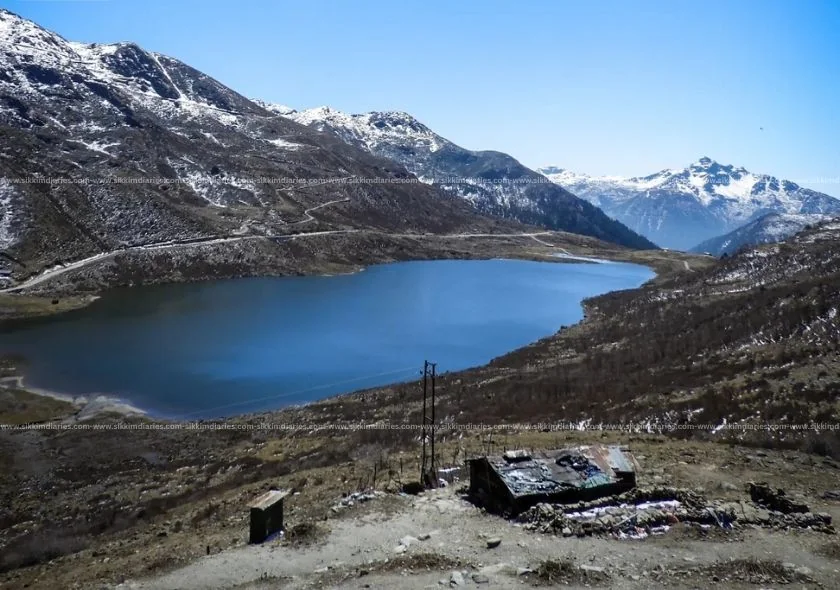
Nestled amidst the breathtaking landscapes of the Eastern Himalayas, Elephant Lake, popularly known as Kupup Lake, is one of the most picturesque and lesser-explored high-altitude lakes in Sikkim. Located along the historic Silk Route near Nathula Pass, this pristine lake derives its popular name from its unique shape, which resembles an elephant when viewed from above.
Surrounded by rolling hills, alpine meadows, military outposts, and dramatic Himalayan landscapes, Elephant Lake offers visitors a perfect blend of natural beauty, tranquility, and adventure. While many travelers visit Tsomgo Lake and Nathula Pass, Kupup Lake remains a hidden treasure waiting to be discovered.
At Sikkim Diaries Tours & Treks, we highly recommend Elephant Lake for travelers seeking offbeat destinations and untouched Himalayan beauty.
Where is Elephant Lake (Kupup Lake)?
Elephant Lake is located in the scenic village of Kupup, along the famous Nathula route in East Sikkim.
Quick Facts
Location: Kupup, East Sikkim
Altitude: Approximately 13,066 feet (3,983 meters)
Distance from Gangtok: Around 60 km
Distance from Nathula Pass: Approximately 5–7 km
Type: High-Altitude Glacial Lake
The lake lies amidst one of the most scenic stretches of the historic Silk Route region.
Why is it Called Elephant Lake?
The lake's distinctive shape resembles an elephant when viewed from elevated viewpoints or aerial photographs.
Because of this unique formation, travelers and locals often refer to Kupup Lake as Elephant Lake.
This unusual natural feature has made the lake one of the most photographed attractions in East Sikkim.
Why Visit Elephant Lake?
Stunning Himalayan Scenery
Elephant Lake is surrounded by:
Snow-capped Himalayan peaks
Rolling alpine hills
Vast grasslands
Crystal-clear waters
The serene environment offers visitors a peaceful retreat away from crowded tourist spots.
A Photographer's Paradise
The lake provides endless opportunities for photography.
Popular Subjects
Reflections on the lake surface
Mountain landscapes
Cloud formations
Sunrise and sunset views
Seasonal snow-covered scenery
Every season presents a unique perspective of the lake.
Tranquility and Solitude
Unlike more popular destinations in East Sikkim, Elephant Lake remains relatively uncrowded.
Visitors can enjoy:
Peaceful surroundings
Fresh mountain air
Quiet nature walks
Relaxation amidst Himalayan beauty
Historical Importance of the Region
The Kupup area lies along the historic Silk Route, which once connected India with Tibet and facilitated trade and cultural exchange.
The strategic importance of the region continues today due to its proximity to the Indo-China border.
Traveling through Kupup allows visitors to experience both natural beauty and historical significance.
Seasonal Beauty of Elephant Lake
Spring (March–May)
One of the best seasons to visit.
Highlights
Blooming rhododendrons
Pleasant weather
Clear mountain views
Vibrant landscapes
Summer (June–August)
The surrounding hills become lush and green.
Highlights
Rich vegetation
Mist-covered mountains
Dramatic scenery
Autumn (September–November)
The ideal season for photography.
Highlights
Crystal-clear skies
Excellent visibility
Comfortable temperatures
Winter (December–February)
The lake and surrounding landscapes often receive snowfall.
Highlights
Snow-covered hills
Frozen sections of the lake
Winter photography
This season transforms Kupup into a Himalayan wonderland.
Attractions Near Elephant Lake
1. Nathula Pass
Nathula Pass
One of India's most famous border passes and a historic gateway on the Ancient Silk Route.
2. Tsomgo Lake
Tsomgo Lake
A stunning glacial lake located on the route to Nathula Pass.
3. Baba Harbhajan Singh Temple
Baba Harbhajan Singh Temple
A unique and revered shrine dedicated to an Indian Army soldier.
4. Kupup Village
Kupup
A picturesque Himalayan settlement known for its scenic beauty and military significance.
5. Yak Golf Course
Yak Golf Course
One of the highest golf courses in the world, located near Kupup.
Highlights
Unique high-altitude setting
Spectacular mountain backdrop
Popular photography spot
Flora and Fauna
The surrounding region supports diverse Himalayan biodiversity.
Flora
Rhododendrons
Alpine grasses
Wildflowers
Mountain shrubs
Fauna
Himalayan birds
Migratory waterfowl
Small mountain mammals
Nature enthusiasts often enjoy birdwatching around the lake.
How to Reach Elephant Lake
By Air
Nearest Airport:
Bagdogra Airport
By Train
Nearest Railway Station:
New Jalpaiguri (NJP)
By Road
NJP/Bagdogra → Gangtok → Tsomgo Lake → Nathula Route → Kupup → Elephant Lake
The journey itself is one of the most scenic drives in Sikkim.
Permit Requirements
Since Kupup lies in a protected border region, permits are mandatory.
For Indian Nationals
Required:
Government-issued photo ID
Passport-size photographs
Permits are generally arranged through registered tour operators.
Travel regulations may vary depending on security conditions.
Travel Tips
Carry
Warm clothing
Sunglasses
Gloves
Comfortable footwear
Camera equipment
Health Considerations
Due to the altitude:
Stay hydrated
Walk slowly
Avoid overexertion
Allow time for acclimatization
Explore Elephant Lake with Sikkim Diaries Tours & Treks
At Sikkim Diaries Tours & Treks, we offer:
Nathula Pass Tours
Tsomgo Lake Excursions
Silk Route Packages
East Sikkim Sightseeing
Photography Tours
Permit Assistance
Customized Sikkim Itineraries
Our experienced local team ensures a memorable journey through the hidden treasures of East Sikkim.
Final Thoughts
Elephant Lake (Kupup Lake) is one of East Sikkim's most captivating hidden gems. Its unique elephant-shaped formation, tranquil atmosphere, stunning Himalayan scenery, and strategic location near Nathula Pass make it a must-visit destination for travelers seeking something beyond the usual tourist trail.
Whether you're a photographer, nature lover, adventure enthusiast, or simply someone looking to experience the untouched beauty of the Himalayas, Elephant Lake promises an unforgettable experience.
Share this article
About the Author
Puran Dahal
A passionate travel writer based in Sikkim, exploring the hidden corners of the Eastern Himalayas. Dedicated to sharing authentic travel experiences, local culture, and practical tips to help you discover the magic of Sikkim.