Sikkim Diaries
Sign In
© 2025 Sikkim Diaries
Made with ❤️ by Unitech Studio
Sikkim, India
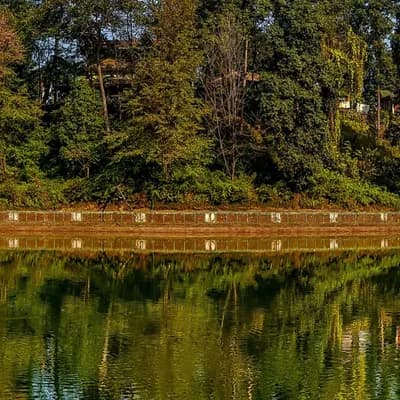
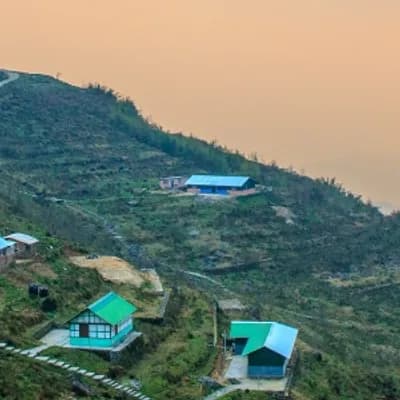
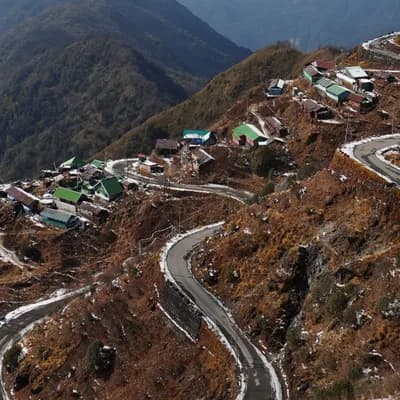
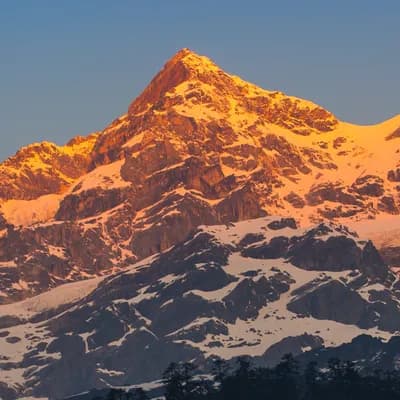
Yuksom, located in West Sikkim at 1,780 meters, is a historically significant, tranquil town known as the "Gateway to Mt. Kanchenjunga" and the first capital of Sikkim (crowned in 1642). It is a premier trekking base for the Khangchendzonga Biosphere Reserve, offering a blend of dense forests, ancient monasteries like Dubdi, and sacred spots such as the Norbugang Coronation Throne.
Nestled in the lush green landscapes of West Sikkim, Yuksom is a historic and scenic town that holds a special place in Sikkim’s heritage. Known as the first capital of Sikkim, Yuksom is where the first Chogyal (king) of Sikkim was coronated in 1642, making it a significant landmark for history enthusiasts and cultural travelers.
The town is famous for its ancient monasteries, particularly the Dubdi Monastery, which dates back to the 17th century and stands as the oldest in Sikkim. These monasteries are not just religious centers but also repositories of Sikkimese art, culture, and traditions. Visitors can witness vibrant rituals, prayer ceremonies, and the peaceful monastic lifestyle.
Sikkim
0 Active Tours
₹0
The Gateway to Kanchenjunga
Discover what makes this destination special and why travelers from around the world choose to explore Yuksom.
Yuksom is the first capital of Sikkim and the site where the first Chogyal (king) was crowned in 1642. History enthusiasts can explore the origins of Sikkim’s monarchy and its cultural heritage.
Home to the Dubdi Monastery, the oldest monastery in Sikkim, and several other serene spiritual centers. These monasteries showcase traditional Buddhist architecture, art, and rituals.
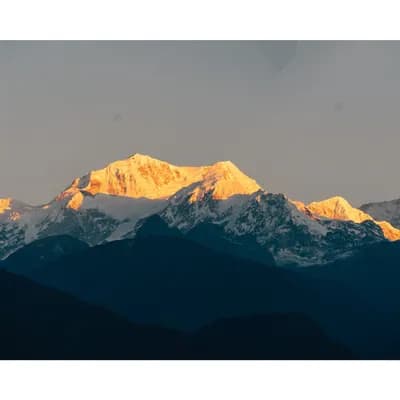
Yuksom is the starting point for the Goecha La Trek and other scenic trails like Dzongri, offering trekkers stunning views of Mount Kangchenjunga and pristine alpine landscapes.
Browse our curated tour packages and start planning your unforgettable journey today!
Discover the must-visit places in Yuksom. From breathtaking natural wonders to cultural landmarks, there's something for every traveler.
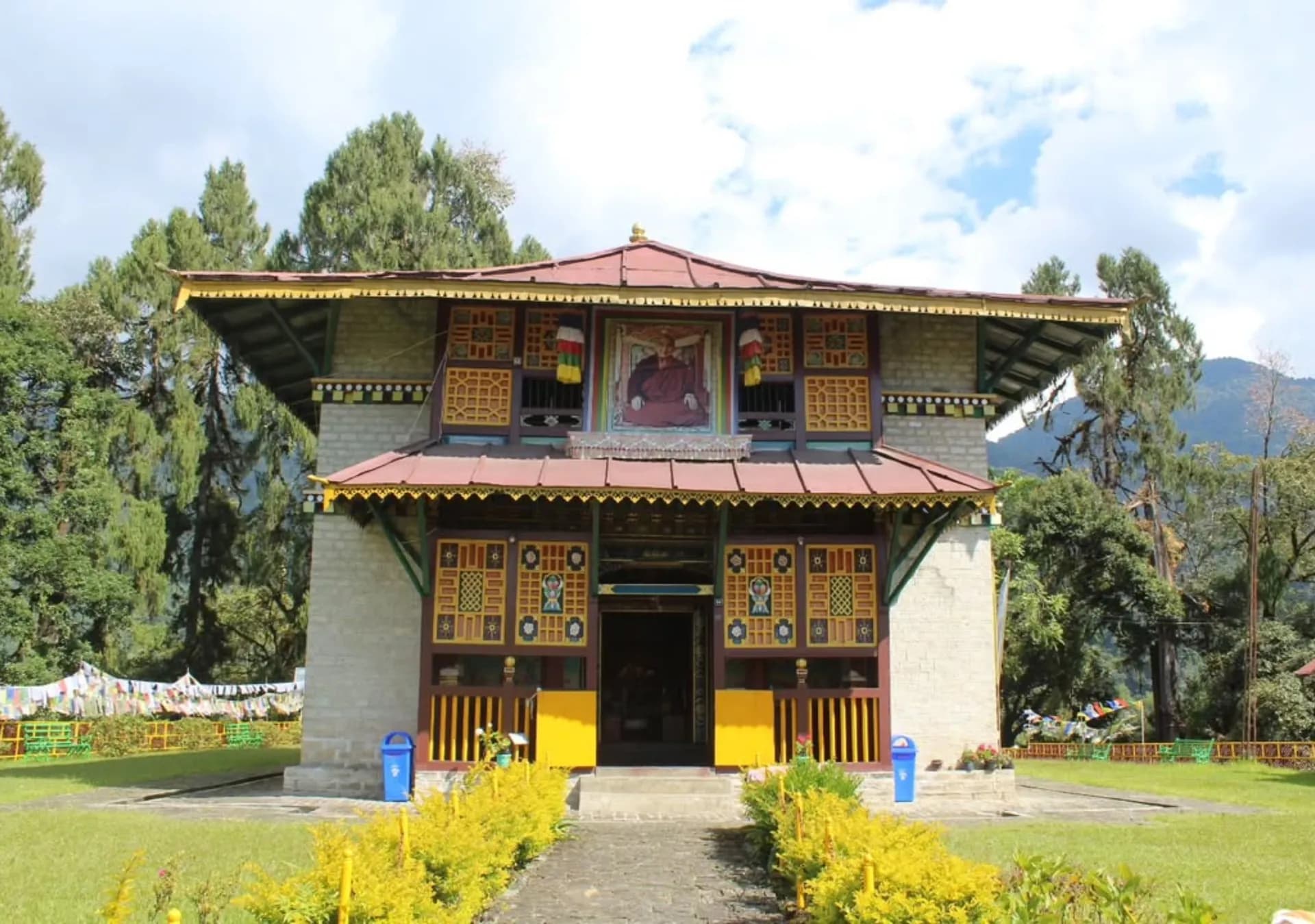
The oldest monastery in Sikkim, built in 1701. A short uphill trek leads to this peaceful spiritual site with scenic views.
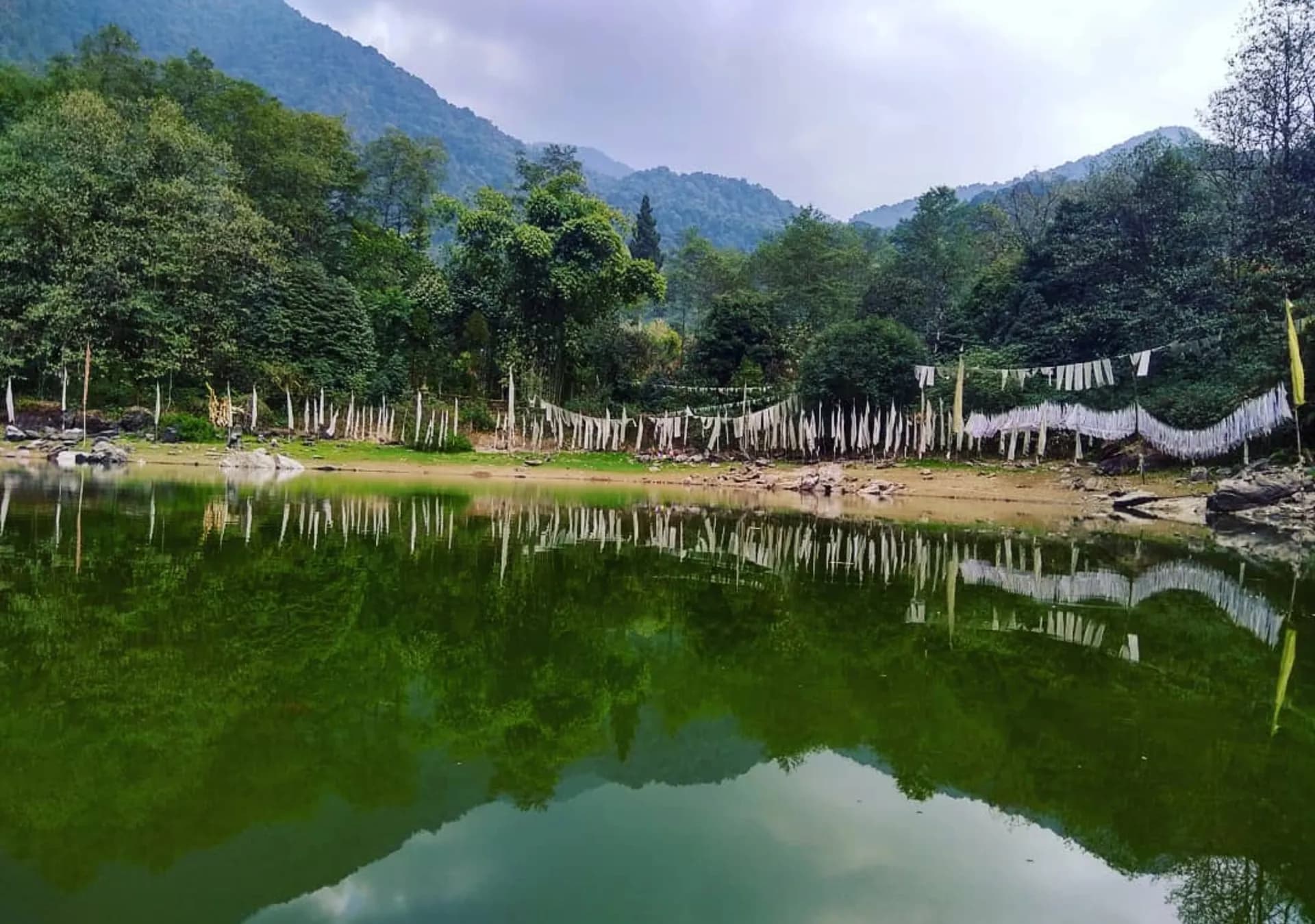
A powerful waterfall and popular tourist stop offering beautiful natural scenery.
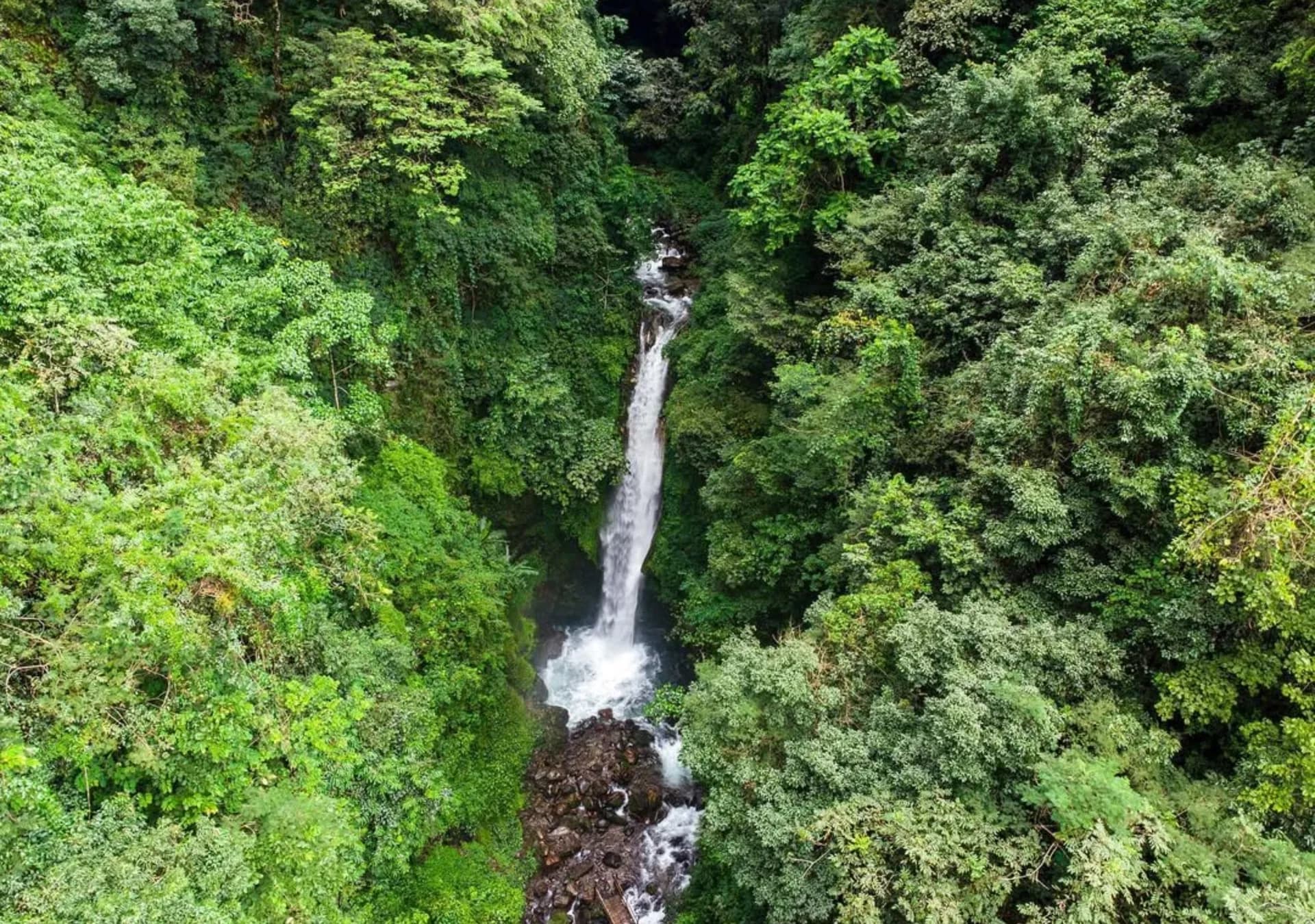
A powerful waterfall and popular tourist stop offering beautiful natural scenery.
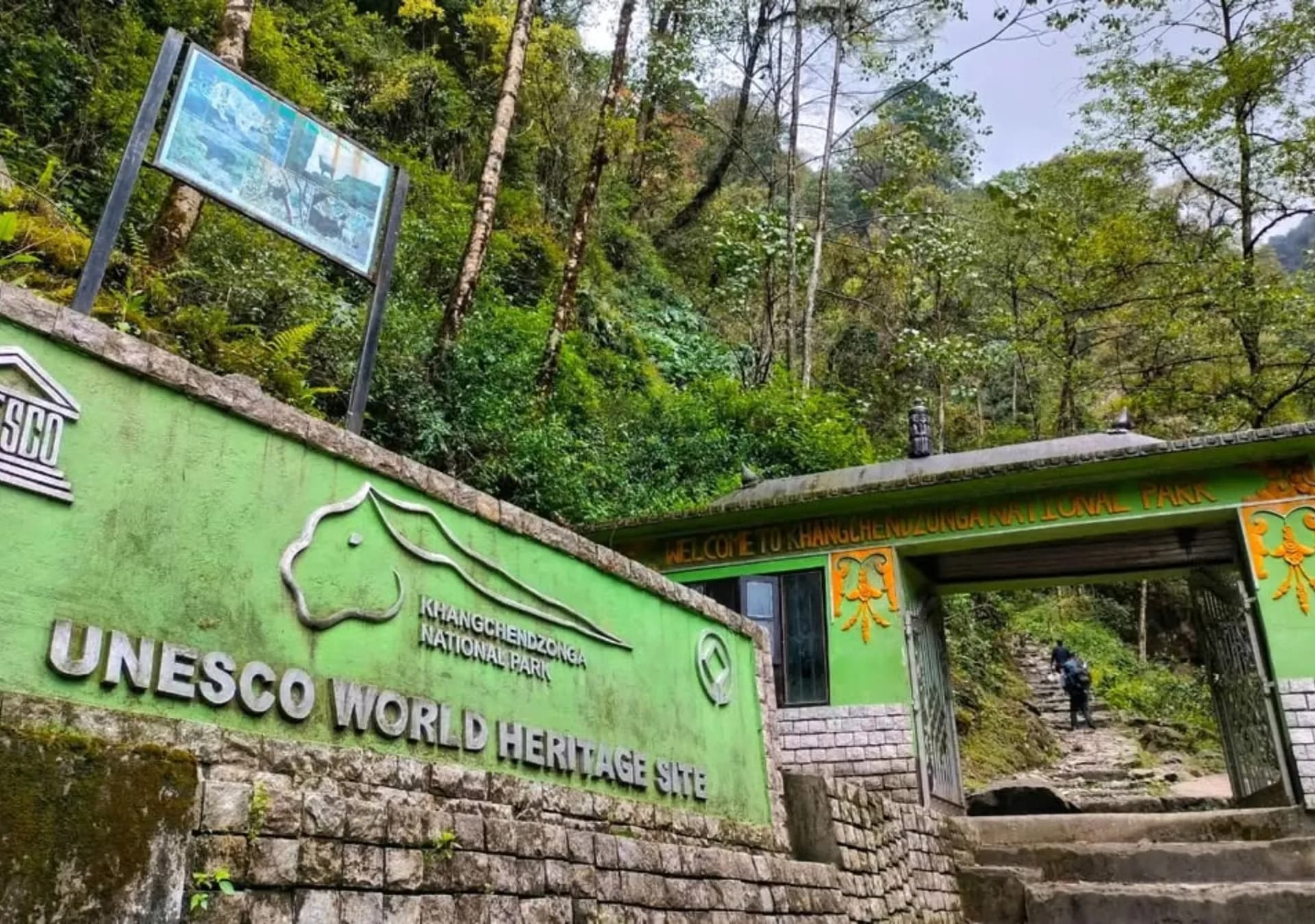
A UNESCO World Heritage Site and trekking gateway to Dzongri and Goechala. Rich in biodiversity, glaciers, and Himalayan landscapes.
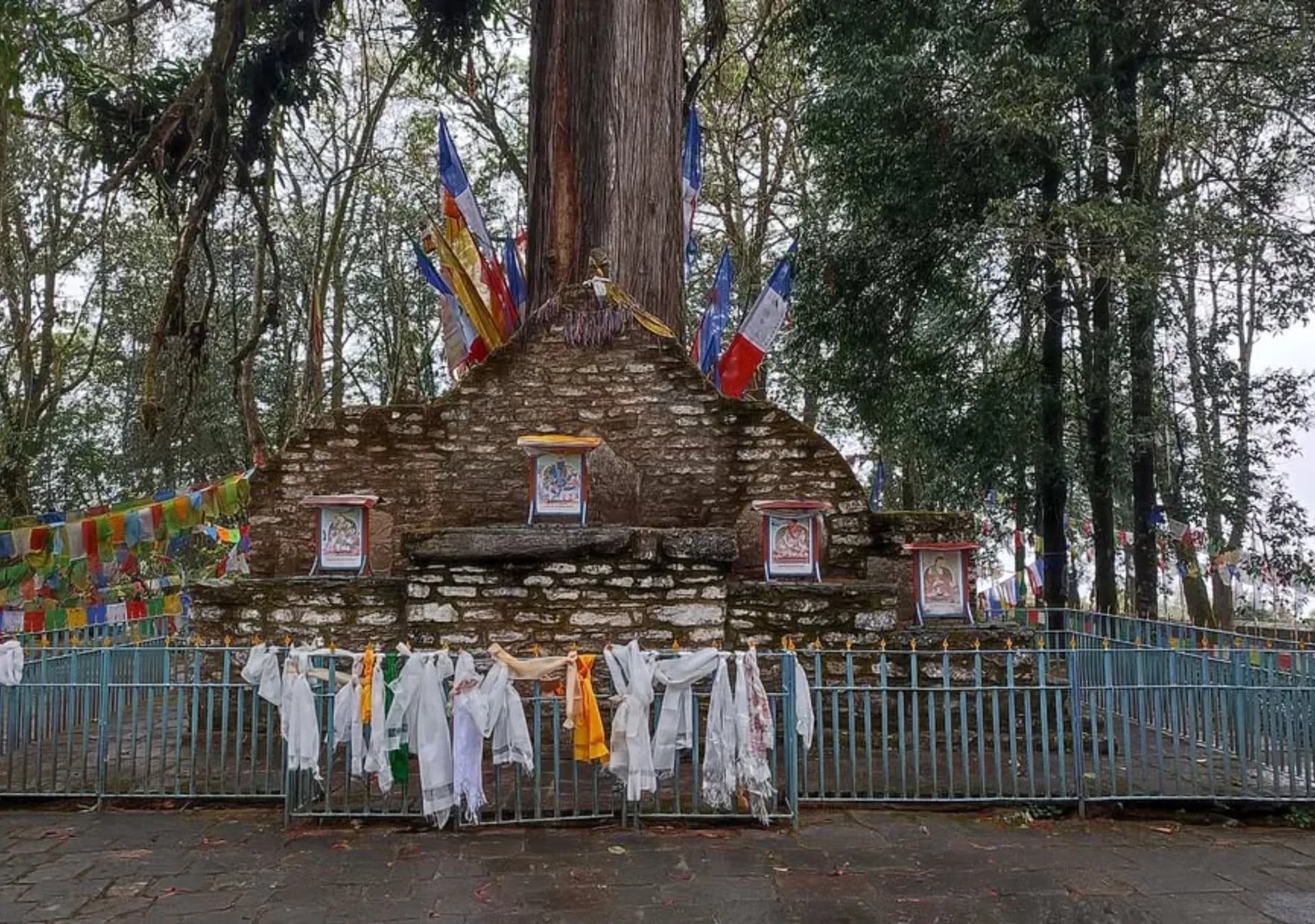
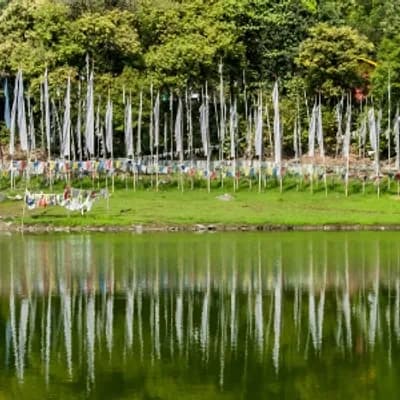
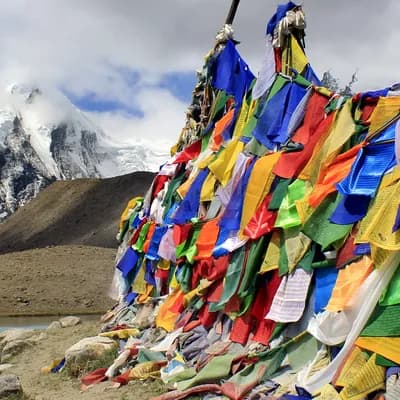
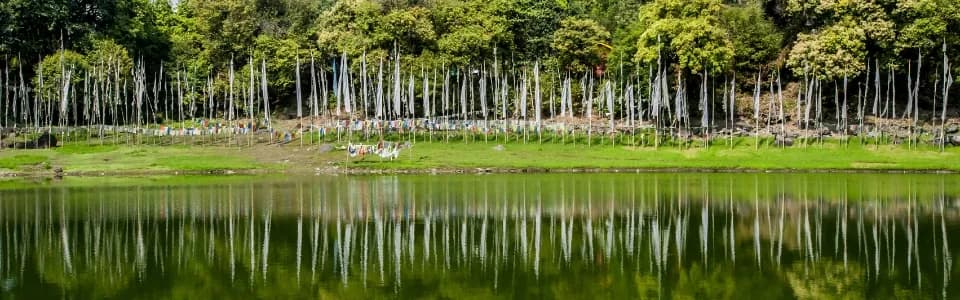
A historic site where the first Chogyal (King) of Sikkim was crowned in 1642. A sacred and culturally important attraction surrounded by prayer flags and pine trees.
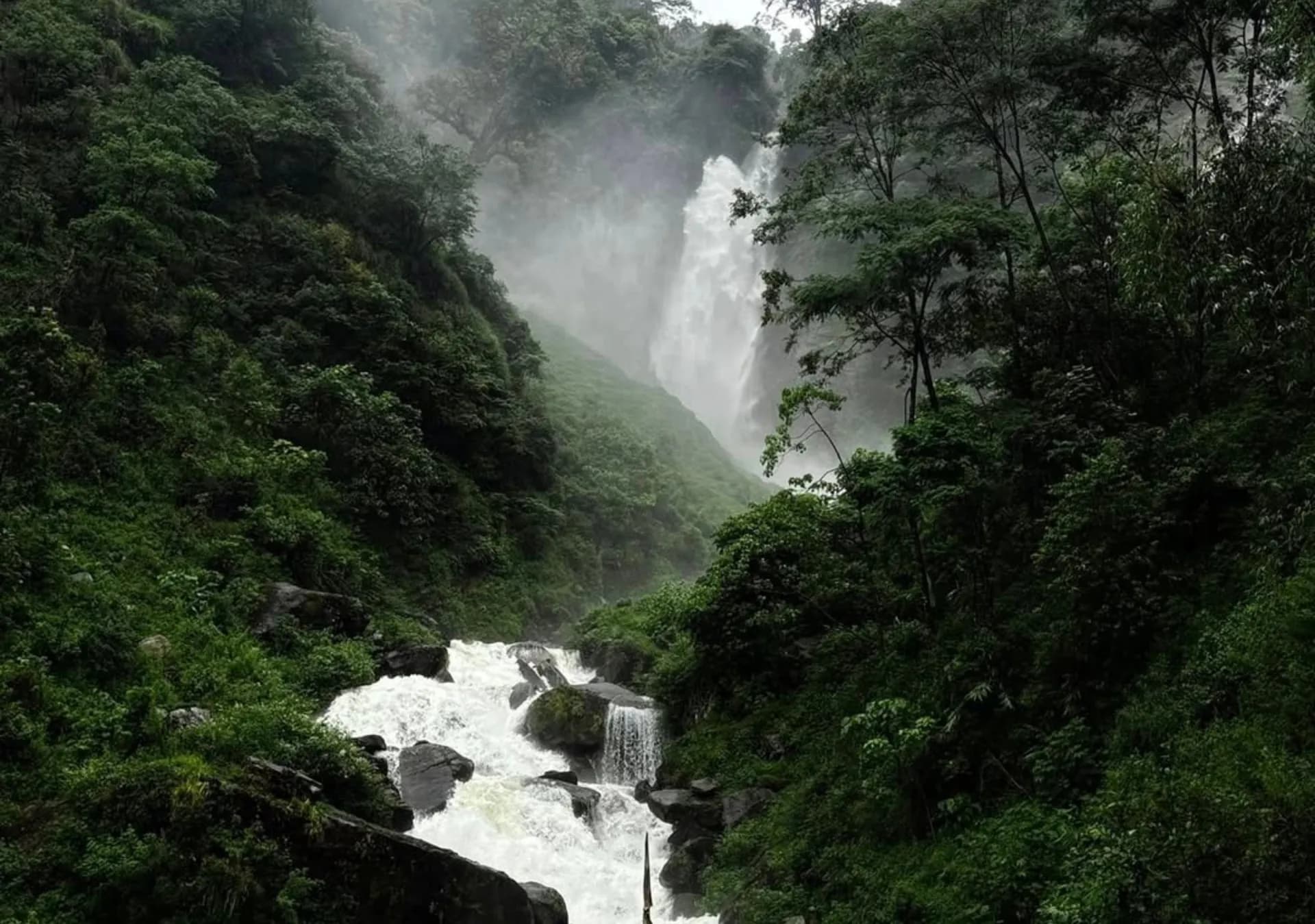
Phamrong Falls is a beautiful waterfall destination near Pelling and Tashiding in West Sikkim. Known for its pristine natural beauty, cascading waters, and serene surroundings, it’s a perfect spot for nature lovers, photographers, and short trekking enthusiasts.
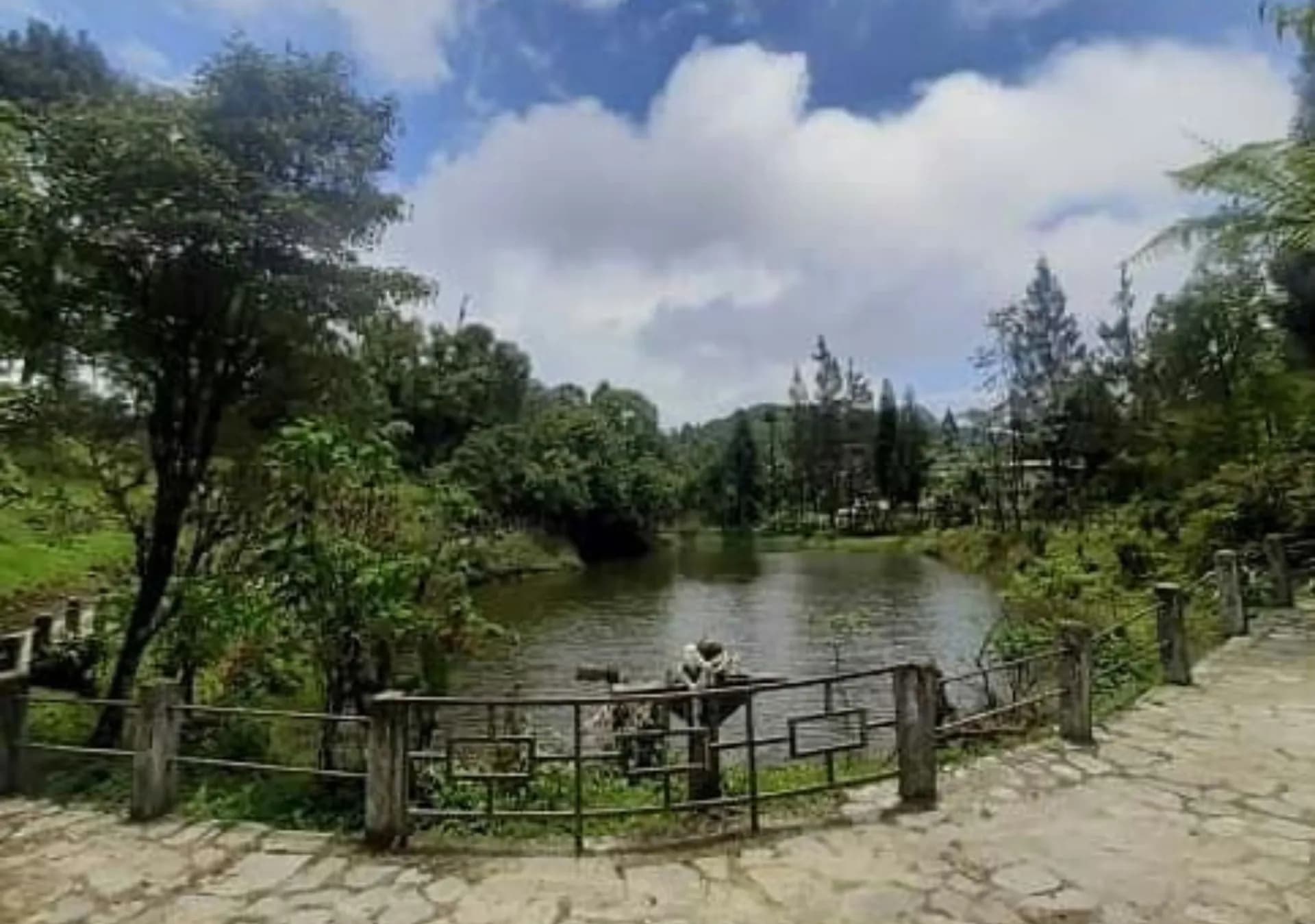
Pokhari Dara in West Sikkim is a hidden gem known for its breathtaking panoramic views of the Eastern Himalayas, including the majestic Kanchenjunga range. Surrounded by lush forests and peaceful natural surroundings, this offbeat destination offers a perfect escape for travelers seeking tranquility and scenic beauty.
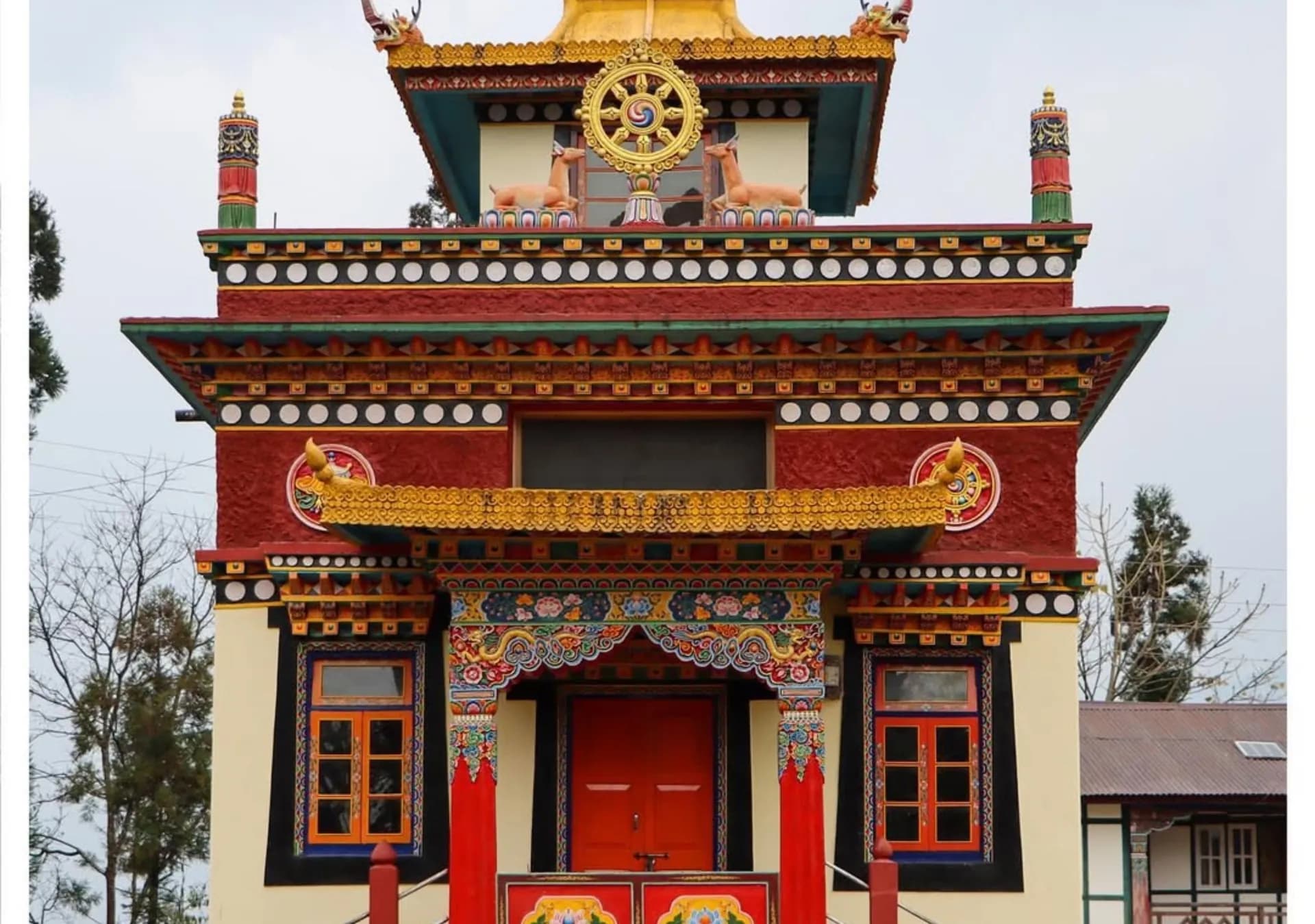
Tashiding Monastery in West Sikkim is one of the most sacred and historically significant Buddhist monasteries in Sikkim. Perched on a hilltop between the Rangeet River and Rathong River, the monastery offers breathtaking panoramic views along with a deeply spiritual atmosphere.
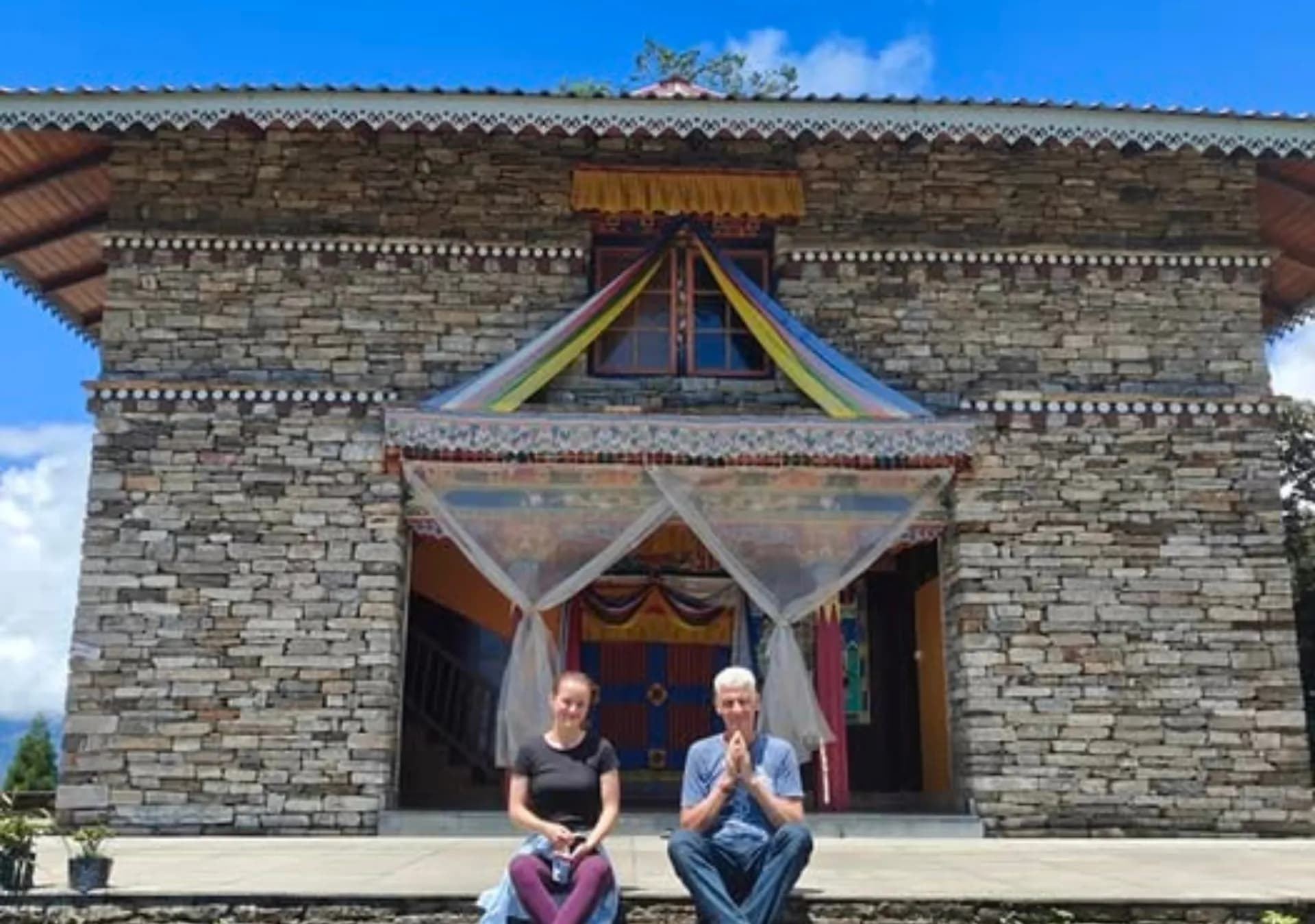
Hung Hri Monastery in West Sikkim is a peaceful and lesser-known Buddhist monastery located near Pelling. Surrounded by lush greenery and serene mountain landscapes, this monastery offers a tranquil escape for travelers seeking spirituality and calmness.
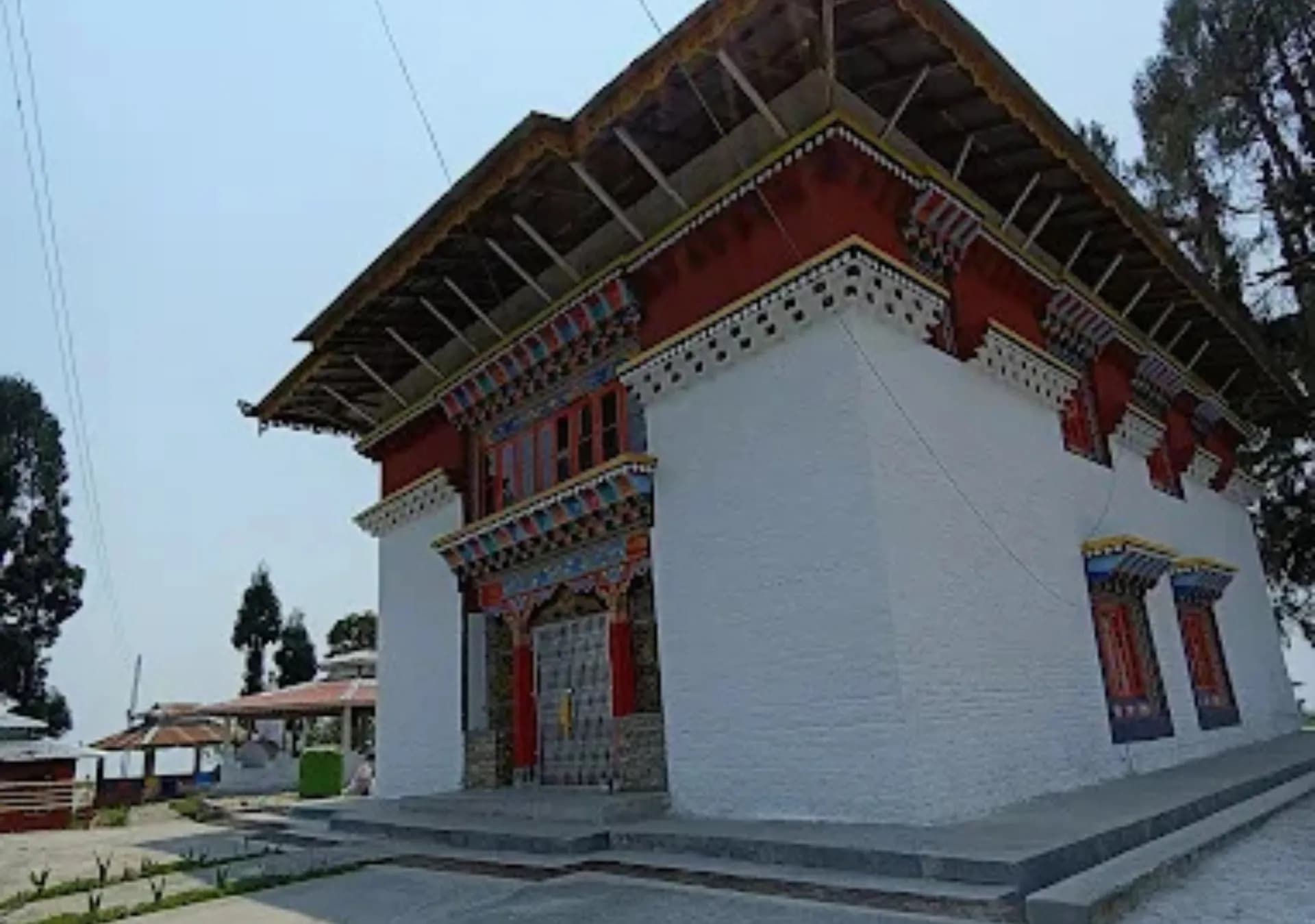
Silnon Ngadak Monastery in West Sikkim is a serene and spiritually significant Buddhist monastery known for its peaceful surroundings and deep-rooted cultural heritage. Nestled amidst lush greenery and panoramic Himalayan views, this lesser-known monastery offers a tranquil escape for travelers seeking solitude and spiritual connection.
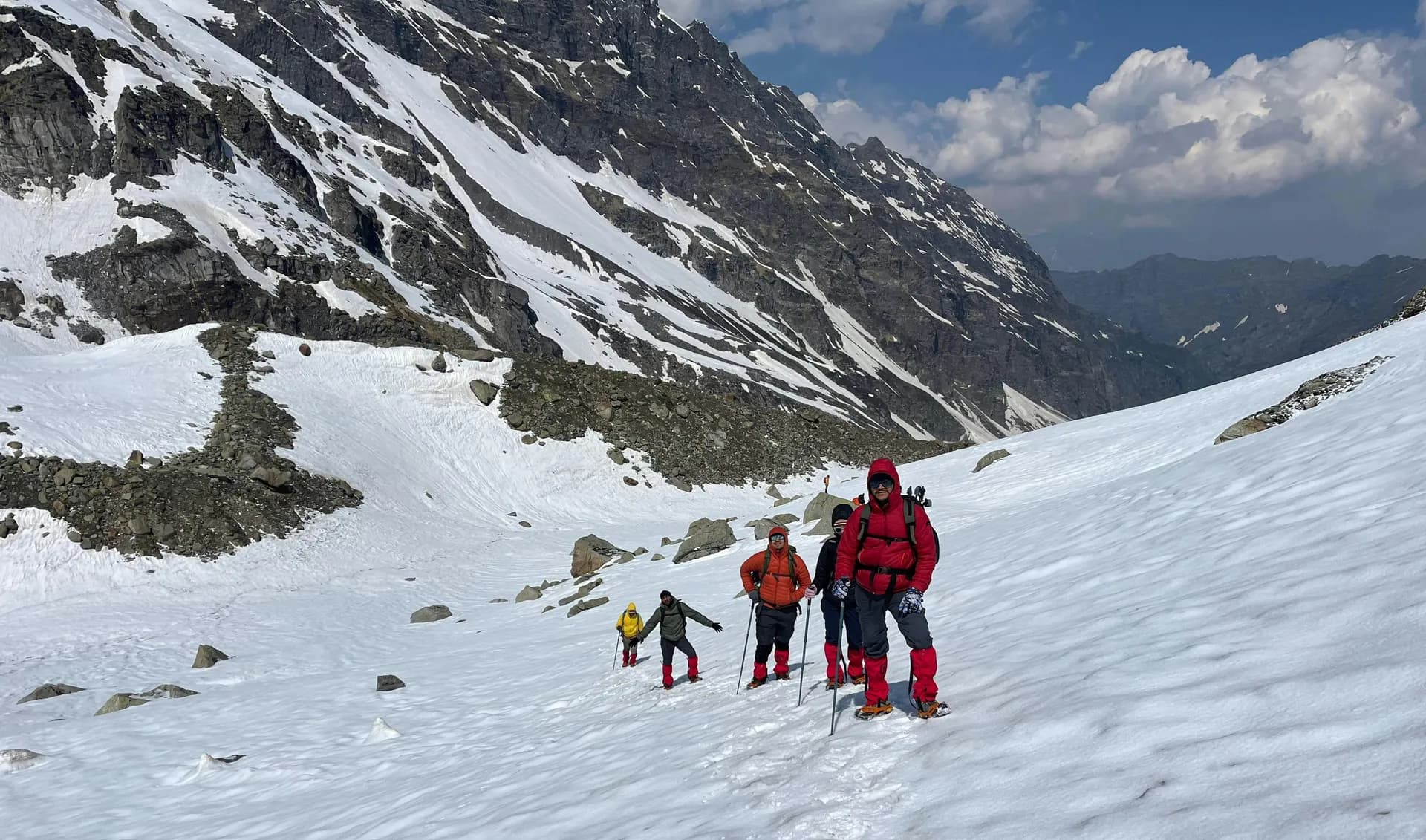
The Goechala Trek in Sikkim is one of the most breathtaking high-altitude treks in India, offering spectacular views of the majestic Kanchenjunga. Starting from the historic village of Yuksom, this trek takes you deep into the pristine wilderness of Khangchendzonga National Park.
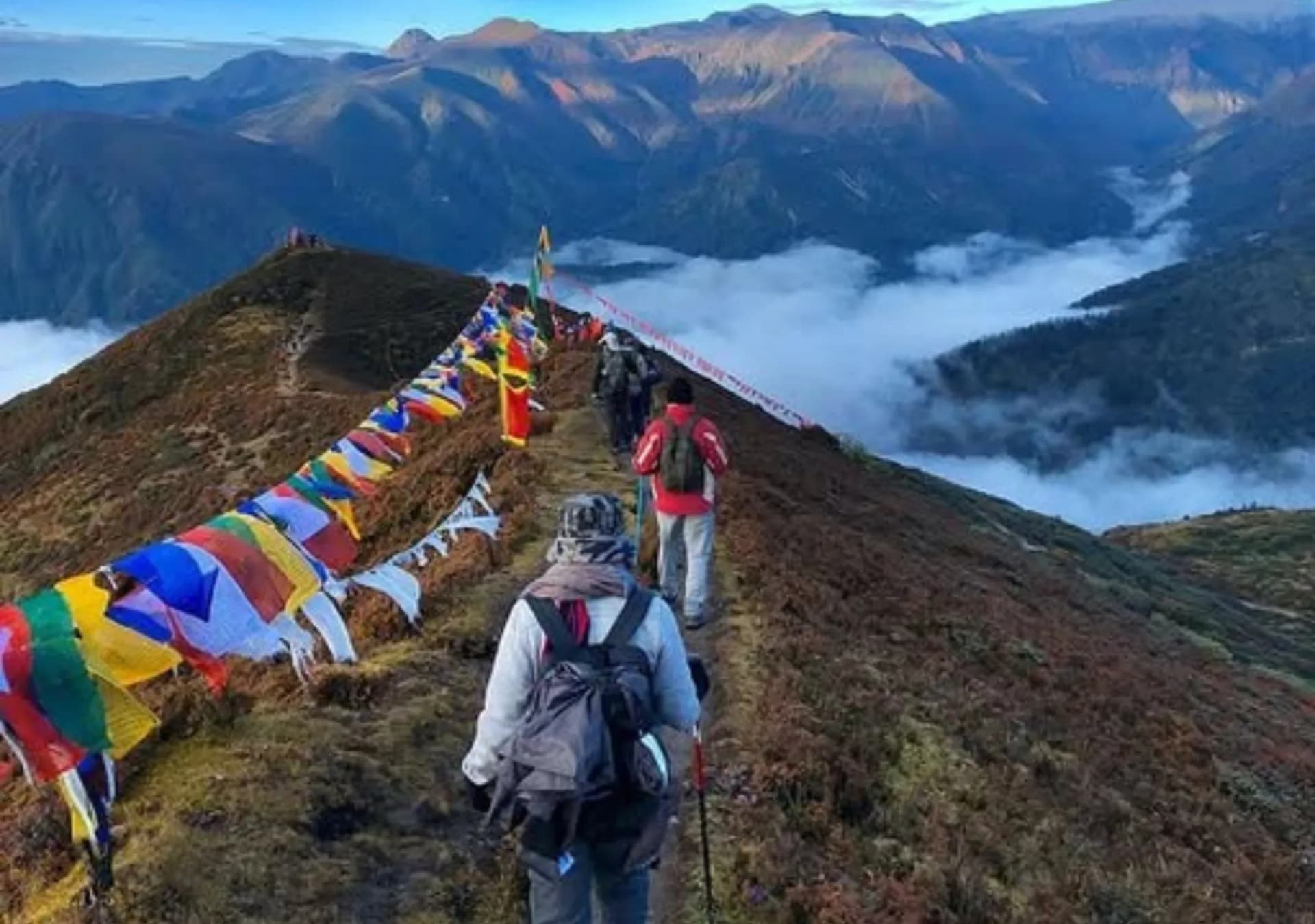
The Dzongri Trek in Sikkim is one of the best short high-altitude treks, perfect for beginners and adventure enthusiasts seeking stunning Himalayan views without a long expedition. Starting from Yuksom, this trek is a part of the famous Goechala Trek route.
Plan your trip to Yuksom with our seasonal guide. Each season offers unique experiences and different weather conditions to enhance your journey.
March - May
10°C – 20°C
Spring is one of the most beautiful times to visit Yuksom. The valley comes alive with blooming flowers, especially rhododendrons, and lush greenery. The weather is pleasant, making it ideal for sightseeing, monastery visits, and short treks.
June - August
15°C – 25°C
Summer is warm and comfortable, with occasional rains. This season is perfect for trekking, including the famous Goecha La Trek, as the paths are accessible and the surrounding landscapes are vibrant. Monsoon showers may occasionally cause slips, so caution is advised.
September - November
12°C – 22°C
Autumn is arguably the best season to visit Yuksom. The skies are clear, the air is crisp, and Mount Kangchenjunga views are at their best. This is the peak season for trekking and photography.
December - February
0°C – 12°C
Winters are cold with occasional snowfall in higher areas. While it’s less crowded, the chilly temperatures make trekking challenging. However, it’s a peaceful season for nature lovers and those who enjoy a serene environment.
Yuksom is a year-round destination, but the experience varies with the seasons. Here’s a season-wise guide:
Find answers to common questions about visiting Yuksom
Yuksom is a historic town in West Sikkim, India, situated at an altitude of around 1,780 meters (5,840 ft). It is surrounded by lush forests, rivers, and mountains, making it a scenic destination for tourists and trekkers.
Yuksom is famous for being the first capital of Sikkim, the coronation site of the first Chogyal in 1642, and a starting point for treks like Goecha La. It is also known for ancient monasteries like Dubdi Monastery, its natural beauty, and cultural heritage.
The best time to visit Yuksom is spring (March–May) and autumn (September–November). These seasons offer pleasant weather, clear skies, and vibrant landscapes. Summer is good for trekking, while winter is ideal for a peaceful retreat.
By Air: The nearest airport is Bagdogra Airport (~120 km from Yuksom). By Train: Nearest railway station is New Jalpaiguri (NJP), about 125 km away. By Road: Well-connected via taxis and buses from Gangtok, Pelling, and nearby towns.
Dubdi Monastery – the oldest monastery in Sikkim Goecha La Trek starting point Khangchendzonga National Park viewpoints Local rivers, forests, and scenic trails
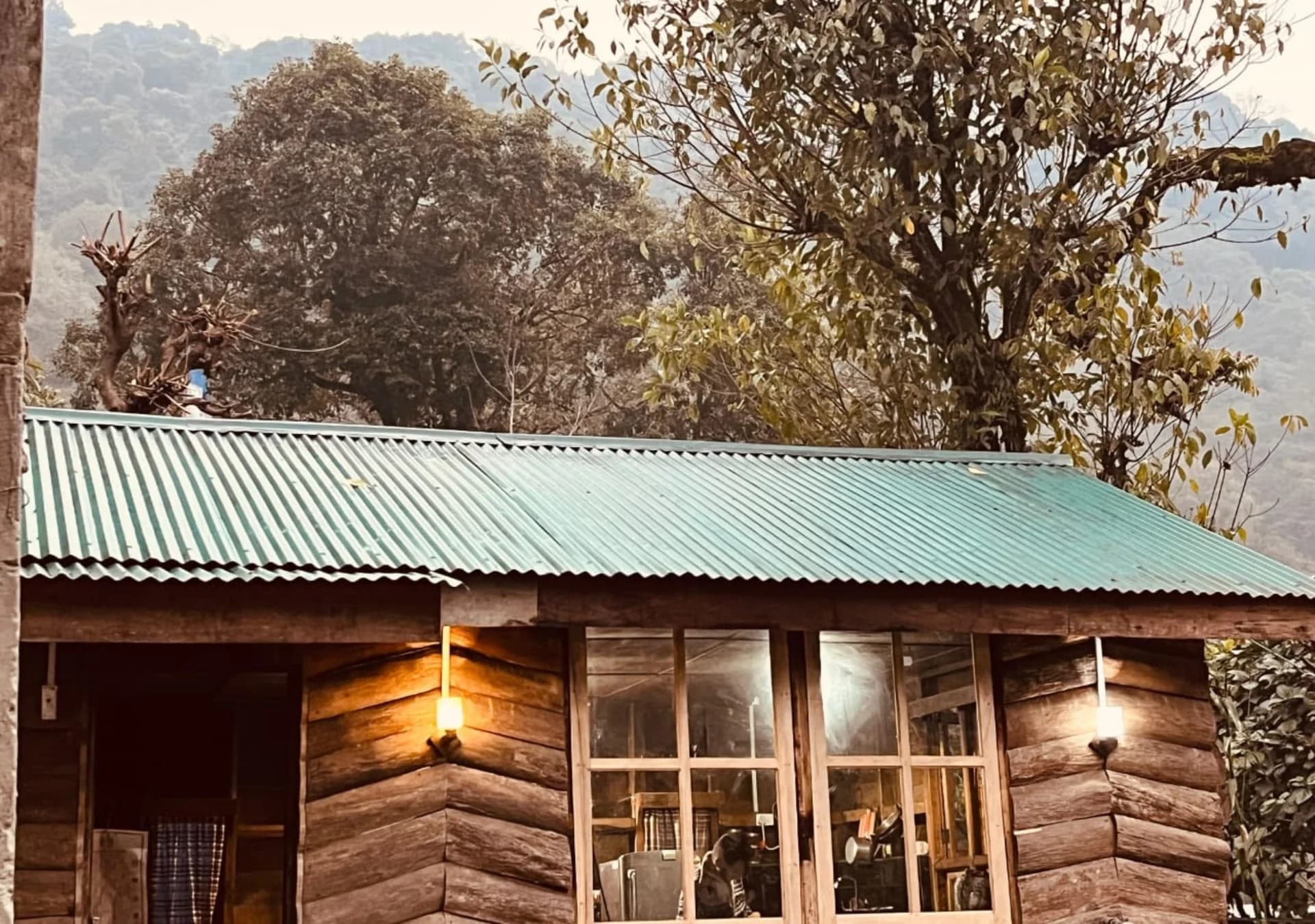
Yuksom offers a range of accommodations, from budget guesthouses to mid-range hotels and homestays. Many lodges provide trekking support and local cultural experiences.
Yuksom is the base for several treks: Goecha La Trek – Famous for panoramic views of Mount Kangchenjunga. Dzongri Trek – A shorter trek with scenic viewpoints. Bakhim Trek – Suitable for beginners and nature lovers.
Yuksom offers traditional Sikkimese and Nepali cuisine, along with Indian and Tibetan dishes. Popular items include momos (dumplings), thukpa (noodle soup), gundruk (fermented leafy greens), and traditional rice dishes.
Yes, Yuksom is considered very safe for tourists, including solo travelers, families, and groups. The town has a friendly local community, low crime rates, and a peaceful environment.
No special permit is required to visit Yuksom town itself. It is open to all domestic and international tourists.
Explore more places in Sikkim